Women's Wellness · Educational Series

What Grandma's Gelatin Habit Reveals About Women's Changing Bodies

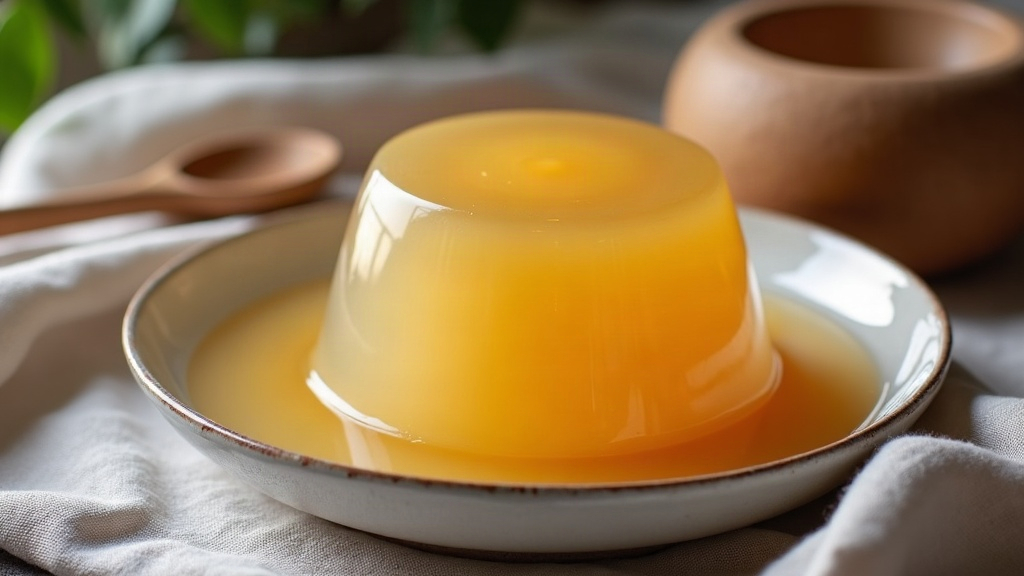
Before we go further, let’s talk about gelatin — the humble kitchen staple quietly disappearing from modern diets, and why some women are bringing it back into their routines.

Natural Habits  ·  Women's Wellness  ·  Educational Content  ·  Natural Habits

Your Body Is Changing. Nobody Sent You the Memo.

Somewhere between your twenties and now, things shifted. Not overnight. Quietly.

That 'I Just Ate' Feeling Fades

Meals that used to fill you up now leave you reaching for something else an hour later. That's satiety talking, not willpower.

Muscle Doesn't Stick Around Like It Used To

Lean mass naturally shifts with age and hormones, changing how your body looks and feels — even when the scale barely moves.

Collagen Production Slows Down

Your body makes less collagen every year after your mid-twenties. It's not dramatic. It's just... less. Gelatin, in its natural form, is simply cooked-down collagen.

The Old 'Just Eat Less' Advice Stops Making Sense

Traditional dieting rules were mostly built without women's changing biology in mind. That gap is finally getting attention.

Myths vs Facts: Metabolism Edition

Let’s clear up some kitchen-table wisdom that doesn’t quite hold up.

MYTH

Your metabolism ‘breaks’ after 30.

FACT

Metabolism shifts gradually with muscle mass and hormones — it doesn’t suddenly stop working.

MYTH

Eating less is always the answer.

FACT

What you eat, and how satisfying it is, matters as much as how much.

MYTH

Collagen is just a beauty trend.

FACT

Collagen is a structural protein your body naturally produces and slowly reduces with age — skin and joints included.

A Simple Habit Worth Understanding

Not a plan. Not a rulebook. Just an old habit getting new attention.

01

Step 1 — Look at What's Already in the Kitchen

Gelatin has been part of home cooking for generations, often overlooked in favor of newer trends.

02

Step 2 — Understand Satiety, Not Restriction

Feeling satisfied after a meal is a signal worth paying attention to, not ignoring.

03

Step 3 — Build a Habit, Not a Sprint

Small, repeatable habits tend to stick better than dramatic overhauls.

Where This Habit Actually Comes From

Long before supplement aisles existed, kitchens simmered bones and connective tissue into broths and gelatin for hours. It wasn’t a trend — it was tradition, passed from mother to daughter, meal after meal. Gelatin was simply what you got when nothing went to waste.

Insight: Modern food processing stripped a lot of this out of the average diet. Rediscovering it isn’t new — it’s a return.

Signs Worth Paying Attention To

⚠️ Energy That Dips Mid-Afternoon

Consistent energy dips can be worth mentioning to a healthcare provider.

⚠️ Nails That Break or Peel Easily

Brittle nails are sometimes linked to protein and nutrient intake.

⚠️ Hunger That Returns Too Quickly

If meals stop feeling satisfying, it may be worth looking at what's on the plate.

⚠️ Joint Stiffness After Sitting or Resting

Minor stiffness is common, but persistent discomfort deserves a conversation with a professional.

⚠️ Weight That Shifts Without Explanation

Body composition changes gradually and isn't always reflected on a scale alone.

⚠️ Skin That Feels Less Resilient

Skin elasticity naturally changes over time as collagen production slows.

What Women Are Saying

I didn't expect to think about gelatin again after childhood. Now it's just part of how I cook. Individual results may vary.

Renata M.
Illustrative account
Learning about satiety changed how I look at meals, not just quantity. Individual results may vary.
Camila S.
Illustrative account
It's a small habit, but understanding why it mattered made a difference for me. Individual results may vary.
Beatriz L.
Illustrative account

Testimonials reflect individual experiences and opinions. They are not a guarantee of results. Individual results may vary.

Frequently Asked Questions

Gelatin is a protein derived from collagen, typically obtained by simmering connective tissue, skin, and bones. It’s been used in cooking for centuries.

Hydrolyzed gelatin is gelatin broken down into smaller particles, often used because it dissolves more easily in liquids compared to traditional gelatin.

They’re closely related. Collagen becomes gelatin when it’s cooked and broken down through heat.

No. This content is educational and doesn’t replace guidance from a qualified healthcare professional.

No. Body composition and collagen production change over time for many women, regardless of a specific age.

This content does not make weight-loss claims. It’s focused on education around satiety, habits, and body composition.

It’s based on general, publicly available information about nutrition and aging. Always consult a healthcare provider for personalized advice.

Curious What Else the Video Covers?

There’s more to this story than a kitchen habit. See the full explanation.

Advertising Disclosure: This page contains sponsored content and affiliate links. We may receive compensation if you click a link or make a purchase through the links provided. This helps support our content at no additional cost to you.

Content Disclaimer: This content is for educational purposes only and has not been evaluated by the FDA. It is not intended to diagnose, treat, cure, or prevent any disease. Always consult a qualified healthcare professional before making changes to your diet, lifestyle, or wellness routine.

Results Disclaimer: Individual results may vary. Testimonials and examples shared on this page reflect personal experiences and opinions and are not a guarantee of results for any individual.

© 2026 · All Rights Reserved · /contact/